
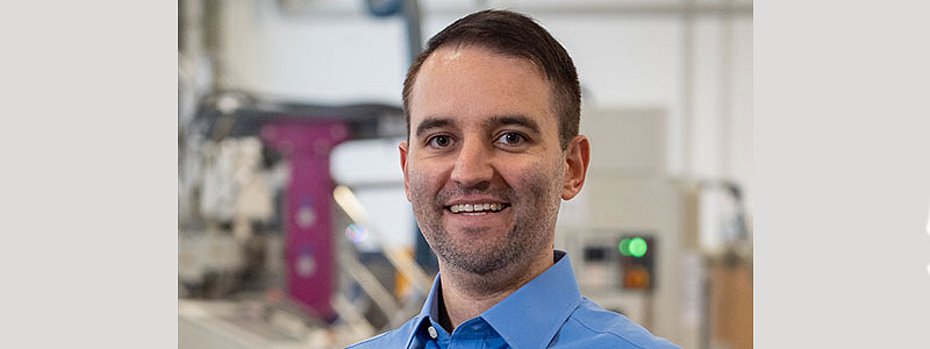
Dr. Andreas Köppel: "PFAS is an abbreviation and stands for perfluorinated and polyfluorinated alkyl substances. Essentially, these are organic compounds in which the hydrogen atoms are partially (polyfluorinated) or completely (perfluorinated) replaced by fluorine atoms. From gases and liquids to fluorine-containing plastics such as polytetrafluoroethylene (PTFE), the entire group of PFAS substances is estimated to comprise more than 10,000 substances. PFAS do not occur naturally, are man-made and have been produced industrially since the 1940s. The great advantage of PFAS, the very strong chemical combination of fluorine and carbon, is also the greatest challenge. Due to their high stability, PFAS are very long-lasting, do not decompose and therefore accumulate in the environment, in humans and other organisms. This is particularly problematic as some PFAS are suspected of being carcinogenic and causing thyroid disorders. There are also links to neurological developmental disorders and fertility problems. Because of these dangers, PFAS should be banned."
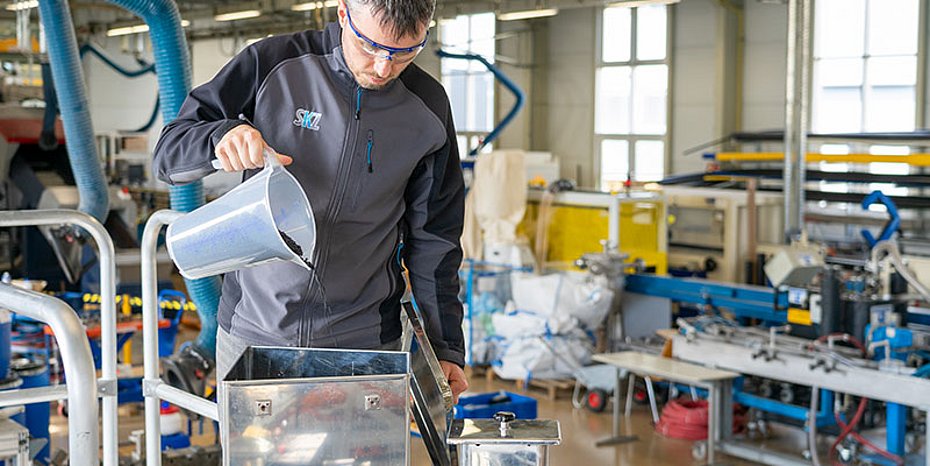
Dr. Andreas Köppel:"PFAS are characterized by the fact that they are water, grease and dirt repellent as well as chemically and thermally very stable. They are commonly used in everyday applications such as Teflon-coated pans, coated outdoor clothing or disposable packaging, as well as various cosmetics. Due to their particularly high chemical resistance, high-performance plastics such as PTFE, PVDF or FFKM are used in the form of valves, seals and hoses in industrial applications in contact with aggressive media or as membrane materials for fuel cells. Alternatives are possible in some cases, especially where compromises in performance can be accepted, such as in dental floss. For packaging with food contact, the risk of direct entry into the food chain is higher than the additional benefit. To be honest, it has to be said that bans actually make sense here. It is much more difficult to find alternative materials for high-performance plastics. You have to take a very close look at the requirements profile and evaluate it."
Dr. Andreas Köppel: "A second draft bill has been drawn up, for which public consultations have already been held to gather information on the use of PFAS and to assess potential risks and benefits. It can be assumed that a ban will come. The only question is to what extent it will be implemented. In the event of a full ban, which is probably not expected until 2026 at the earliest, there will be transitional periods of one and a half to thirteen and a half years for companies. It therefore makes sense to start thinking about possible material alternatives now."
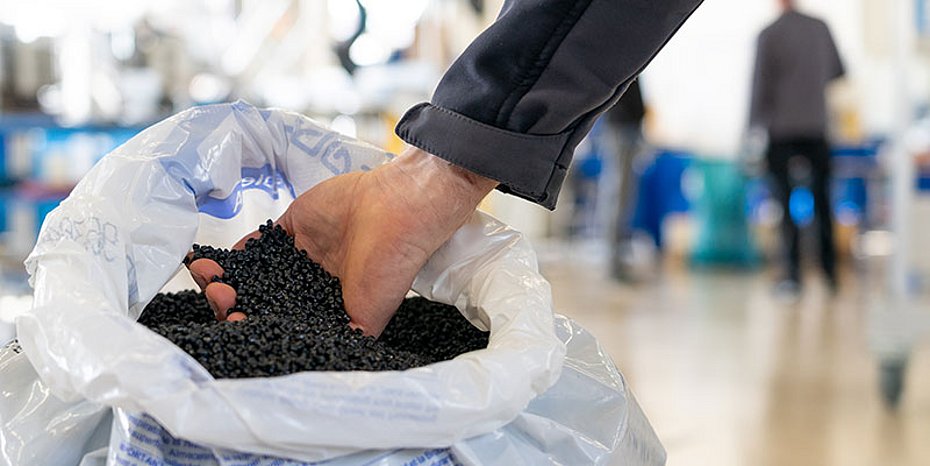
Dr. Andreas Köppel: "We basically deal with all plastic materials and additives, and PFAS are of course also an issue. We are already in contact with many customers regarding the search for and development of alternative materials. Inquiries are constantly increasing. We therefore also offer further training courses and have developed a course that provides the tools to search for alternative materials. We also offer several online workshops to explore the current legal situation and the potential consequences of a ban." (OM-5/24)
Contact us
SKZ - Das Kunststoff-Zentrum
Friedrich-Bergius-Ring 22
97076 Würzburg (Germany)
Phone: +49 931 4104-0
Email: info@skz.de
www.skz.de
About SKZ - The Plastics Center
The SKZ Plastics Center is a climate protection company and a member of the Zuse Association. This is an association of independent, industry-related research institutions that pursue the goal of improving the performance and competitiveness of industry, especially SMEs, through innovation and networking.