
How coordinated inspection processes reduce paint rejects
During the surface inspection of painted components, parts often end up in the reject box unnecessarily - not because of technical defects, but due to unclear or uncoordinated inspection requirements. In the supply chain, it often seems easier to reject a component for the first time than to systematically define and jointly evaluate characteristics. This practice was confirmed by numerous experts in a recent LinkedIn discussion.
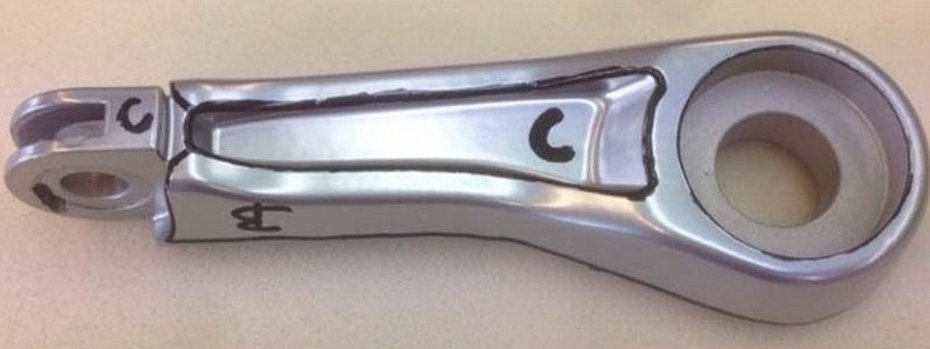
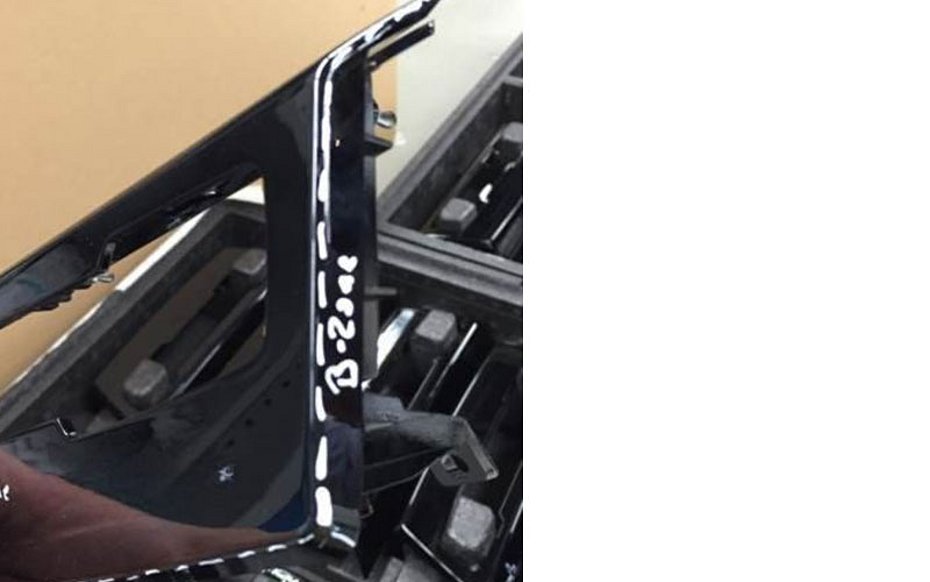
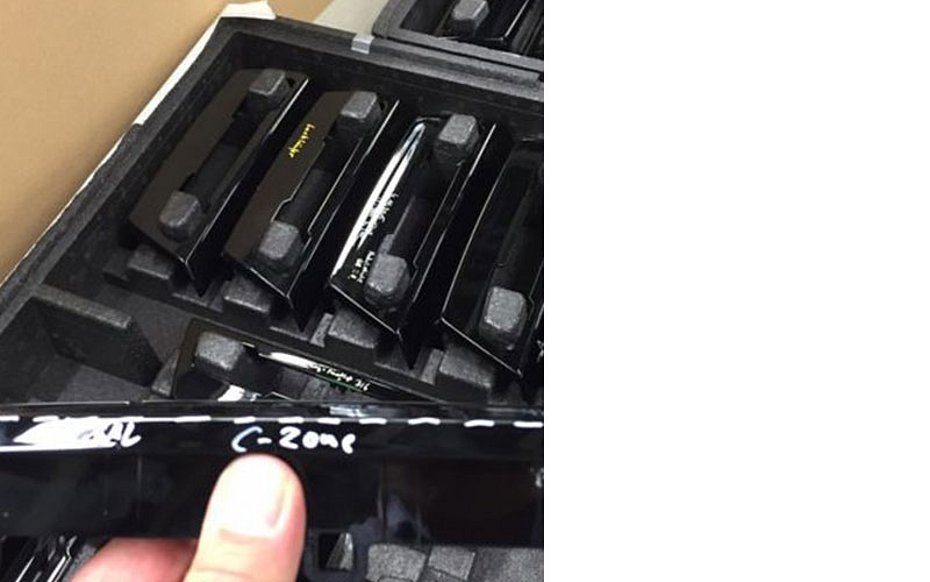
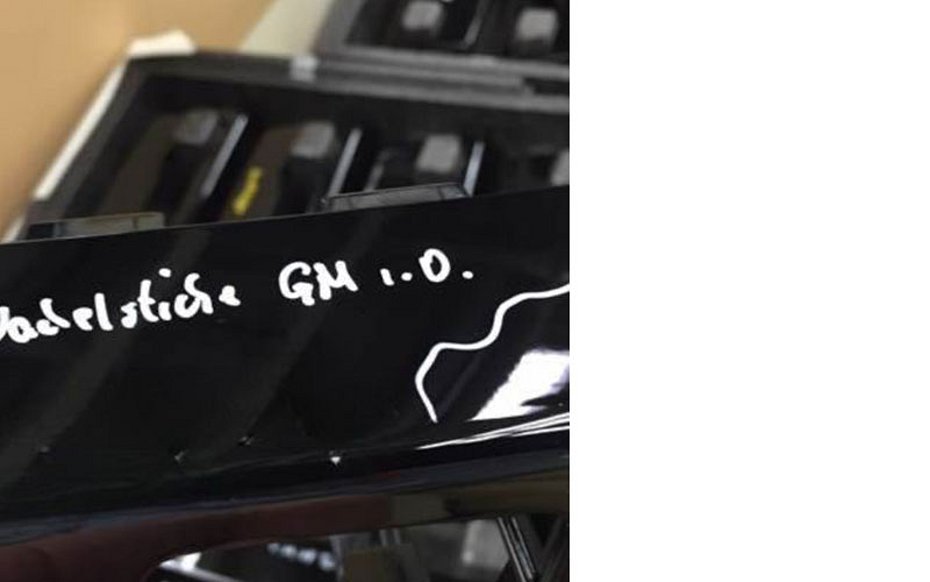
An example from the automotive industry illustrates the problem: a 1st-tier supplier discovered that it delivered significantly more injection molded parts to the paint store than it later received back as painted finished parts. An initial analysis showed that all visible surfaces of the component, which is painted in high-gloss black, were classified as A zones and therefore as surfaces with very high surface requirements. In the testing process, all visible surface features were assessed as defects regardless of their size - although according to the specification, only features with a size of 0.2 mm or more are relevant. The test was also carried out after intensive cleaning by so-called "mirroring" under a high illuminance of 5,000 lux. This combination led to rework and reject rates of more than 50%.
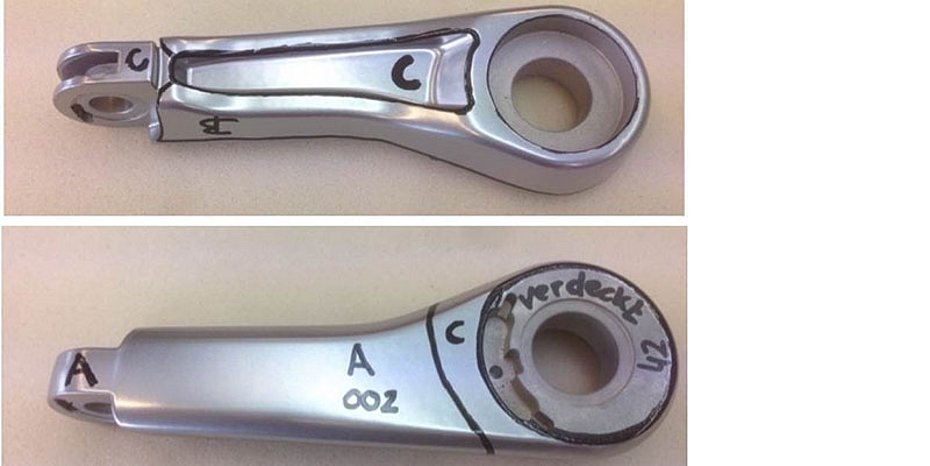
The situation could be improved through targeted measures: A differentiated division of the evaluation zones on the components, the introduction and approval of limit samples and training along the entire process chain - supplemented by minor technical optimizations - led to a significant increase in the first-run rate of more than 70%.
Why many perfectly painted components end up as rejects
Exaggerated error assessments often occur, particularly in the area of painted surfaces. The causes are manifold and are rooted in organizational structures, psychological mechanisms and technical framework conditions.
The coordination of surface requirements is usually carried out by the quality assurance departments of the companies involved. Their main objective is to avoid complaints in series production. In order to achieve this goal, mainly A-zones are defined and "zero defects" are agreed for these. This initially appears to fulfill all formal requirements. The technical relevance of smaller features - which are only considered defects from 0.2 mm in size - is often neglected. B and C zones are insufficiently defined in practice. Technical queries or a realistic evaluation of surface features are hardly possible, as there is often no direct exchange between the paint store and the OEM. The responsibility for the resulting costs lies in the production area and therefore in different areas of the organization.
Consequences of a lack of coordination in the testing process
The consequences of this lack of coordination are immediately apparent in the inspection process: the discovery of a "defect" is seen by the inspection personnel as evidence of careful work. At the same time, there is a latent fear of letting a potentially claimable part through. This uncertainty often leads to all features - regardless of their actual relevance - being rejected. Technical possibilities such as intensive cleaning, high light intensities and elaborately designed inspection stations further support this practice. Every flaw, no matter how small, is found - and sorted out. The rework and reject rates increase, as do the manufacturing costs, without substantially improving the actual quality of the parts.
Solutions for an economically successful painting process
The paint store must know the OEM's requirements in detail. These should already be clearly defined and bindingly agreed during the development or quotation phase. During the sampling and start-up phase, the paint shop can use its experience to make concrete suggestions for surface zoning and define limit samples for all areas. These limit samples must then be made available to all inspection bodies along the supply chain and accompanied by targeted training.
In addition, test stations should be consistently designed in accordance with the OEM's specifications - for example with regard to installation position, zone definition, permissible defect sizes and illuminance levels. The employees at the test stations ultimately decide whether a part - after a complete production process - ends up in the scrap box or is delivered. Special attention should therefore be paid to these employees and the design of their workstations.
A clearly defined, jointly agreed quality requirement across the entire supply chain is the basis for economically successful painting processes. If this basis is missing, it should be created as quickly as possible (OM-6/25).
Contact
HoKa-Inergy GmbH
Am Gänsgraben 47a
84030 Ergolding (Germany)
Phone: +49 170 9716805
E-mail: kontakt@hoka-inergy.de
www.hoka-inergy.de
About HoKa-Inergy
HoKa-Inergy GmbH supports medium-sized companies in creating sustainable added value for a successful corporate future. New, constantly changing requirements due to technology, company growth and the economy present companies with major challenges - both internally and in terms of their public image. HoKa Inergy defines efficient long-term processes, modernizes your work structures and creates a recognizable, unique branding.