
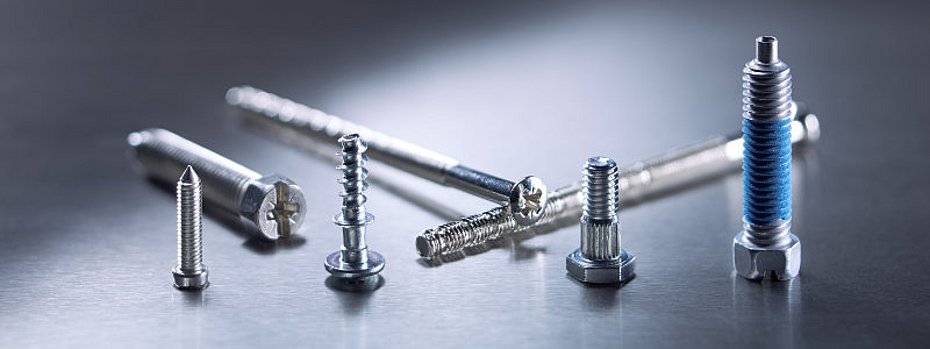
Energy savings effectively help companies reduce costs and produce more sustainably. By switching to an innovative low-temperature dephosphatization system, a fastener manufacturer not only reduced energy consumption by a good quarter but also significantly cut its chemical usage. In addition, the company achieved greater process transparency and reliability.
Founded in 1995 with a single employee, Dibe Verbindungstechnik GmbH has developed over the past three decades into a sought-after partner for the production of custom-designed and special parts in the field of small screws ranging from M2 to M8. The product portfolio of the Lüdenscheid-based company includes metric and self-tapping screws for metals and plastics, as well as custom fasteners. With products manufactured from steel, stainless steel (A2 and A4), brass, copper, and aluminum alloys, Dibe supplies not only wholesalers but also companies in the automotive and electrical industries, as well as the building services sector. The company meets specifications for both technical cleanliness and surface finishing.
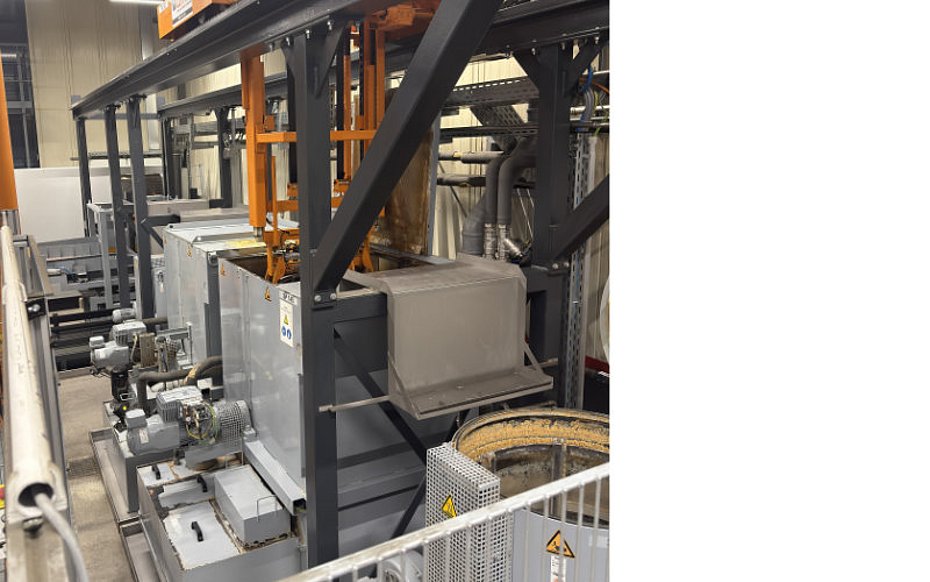
Dephosphorate up to 400 million parts per year
“Today, we manufacture about 70% of our fasteners from phosphated steel wire. That amounts to up to 400 million parts per year with a total weight of up to 700 metric tons,” explains Dirk Beißner, managing partner of Dibe Verbindungstechnik GmbH. During the pressing of the raw material, phosphating serves to promote adhesion, reduce friction and wear, and provide temporary corrosion protection. The subsequent cleaning process includes dephosphating, while the parts are degreased after the following manufacturing steps, such as deburring, slotting, and rolling. “To handle the steadily increasing volume of fasteners requiring dephosphating and degreasing more quickly, effectively, and efficiently, we invested in a new cleaning system from WMV in 2021. It features a total of four zones with bath volumes of 3,500 liters for degreasing, 1,500 liters for dephosphating, and 2,500 liters for pre- and post-rinsing,” reports the managing director. The system manufacturer also established contact with Stockmeier Chemie GmbH & Co. KG. The chemical company has been supplying Dibe with cleaning agents ever since.
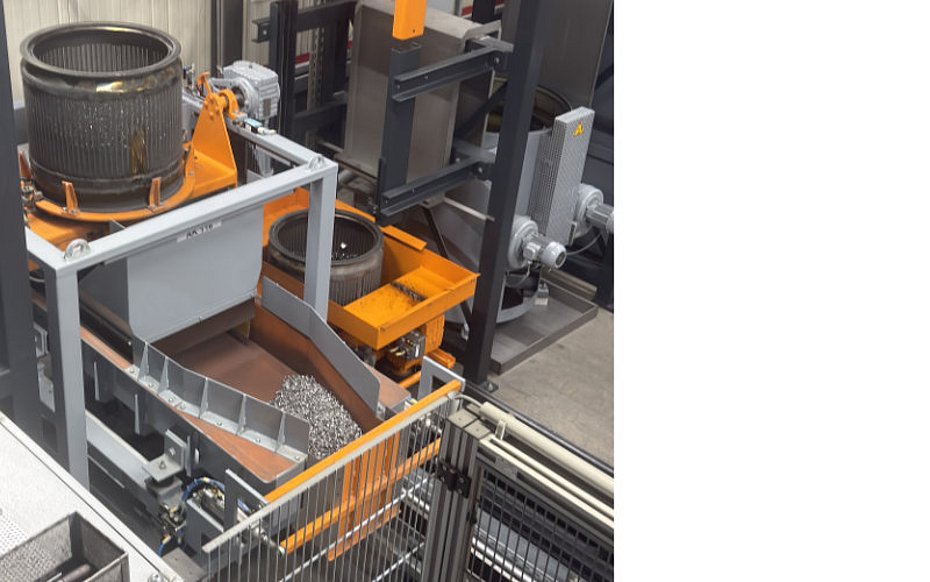
Dephosphate at 50 °C instead of 65 °C
In the new plant, dephosphatization was initially carried out at a bath temperature of 65 °C, while degreasing took place at temperatures between 50 °C and 55 °C. Due to a lack of data on bath quality, the replenishment of chemicals and bath changes were carried out based on safety considerations and intuition. Consequently, energy and chemical consumption was high, though these figures have not yet been precisely recorded. “When Stockmeier Chemie introduced us to a new low-temperature dephosphatization system in the fall of 2023, it sounded very interesting. However, we lacked concrete data, so we equipped our cleaning system with energy meters before implementing it,” recalls Dirk Beißner.
The liquid system for low-temperature dephosphating consists of three components: the strongly alkaline, foam-free specialty cleaner Lerabilt 268 for dephosphating and degreasing iron-based materials. The cleaning enhancer Leraplex 63 for alkaline cleaning solutions contains an active ingredient concentrate for chelating water hardness and metal ions. In addition, there is an application-specific treatment additive that optimizes bath life. Thanks to its special formulation, this spray-applicable system enables stable and reliable dephosphating starting at just 50 °C.
More than 25% energy saved – the temperature difference pays off
Dibe Verbindungstechnik has been using the new solution since May 2024 with excellent results, without the need for any modifications to the cleaning system. By lowering the temperature by 15 °C during dephosphating and by 5 °C to 10 °C during degreasing, the company has saved between 25% and 29% in energy over the past two years. “The savings are even more pronounced when it comes to energy costs, at 56%. This significantly exceeded the cost savings of around 40% that were cited to us when the system was introduced,” adds Dirk Beißner.
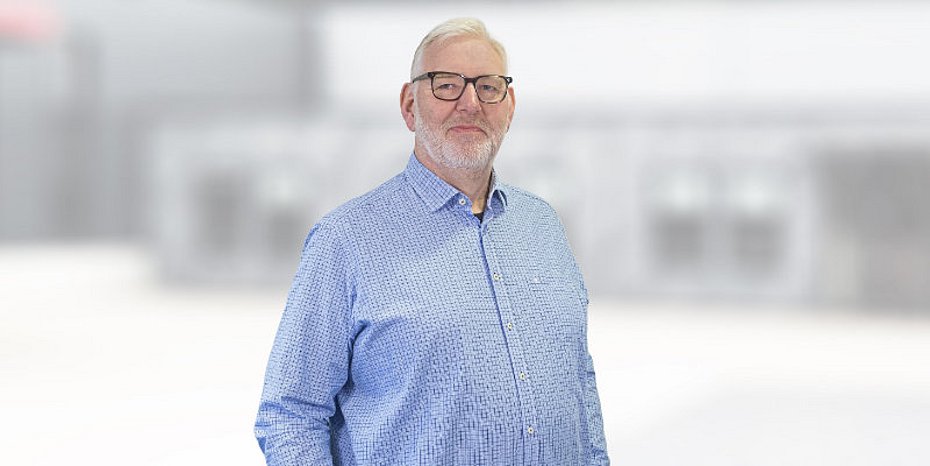
Financial Benefits Through High Process Transparency
In parallel with the low-temperature dephosphatization process, the company implemented the operating log provided by Stockmeier Chemie. Since then, not only have the values from the daily measurements in the baths—such as media concentration and pH—been recorded, but also the quantities of media used. If a top-off is required, the logbook informs employees which component to add and in what quantity. Thanks to the comprehensive recording of data related to dephosphatization and degreasing, bath quality can be objectively assessed at any time. Furthermore, media consumption is transparent. “One result of this is that the service life of the baths has been extended to one year, leading to higher system availability,” notes the managing director. “In addition, with the new low-temperature dephosphatization system, we can reduce media consumption by about 12%.” (OM-10/26)
Contact
Stockmeier Chemie GmbH & Co. KG
Am Stadtholz 37
33609 Bielefeld
Phone: +49 (0) 521 / 30 37 - 0
Email: industriechemie@stockmeier.com
www.stockmeier.com/stockmeier-chemie
About Stockmeier Chemie
Stockmeier Chemie is one of the largest chemical distributors in Europe and offers a comprehensive range of industrial and specialty chemicals for numerous industries and applications. In addition, the company specializes in the development, manufacture, and distribution of cleaning agents for industrial and commercial use. One area of focus is surface treatment products.