
Plasmatreat at Aluminum 2026: Cleaning and Corrosion Protection
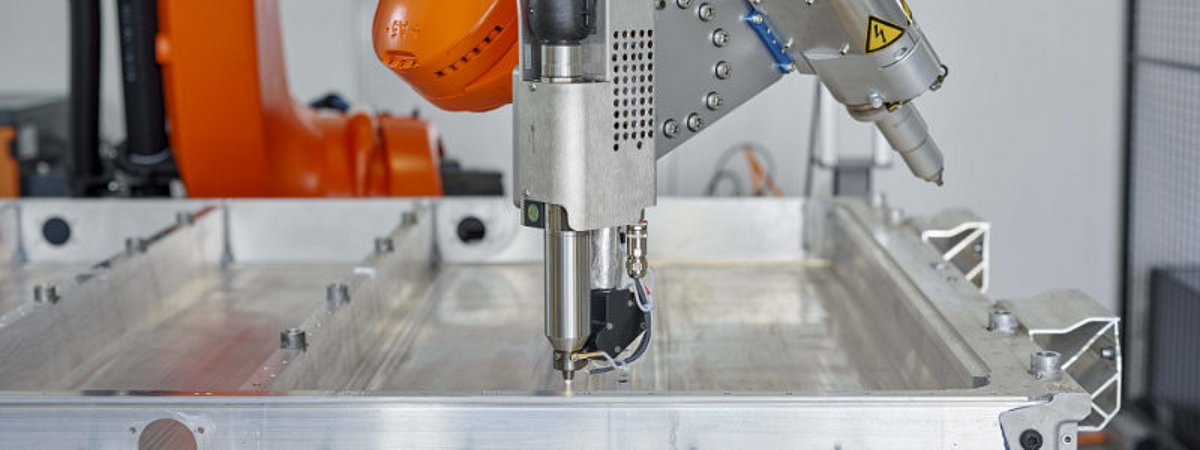
At Aluminium 2026, Plasmatreat will showcase chemical-free plasma cleaning and corrosion protection. These plasma processes, which can be integrated into production lines, clean, activate, and functionalize aluminum surfaces for subsequent bonding, sealing, and coating processes.
A clean and well-defined surface is essential for durable adhesive bonds, reliable sealing systems, and coatings on aluminum. Release agents, drawing oils, cooling lubricants, particles, or natural oxide layers can impair adhesion and functionality. At Aluminium 2026 in Düsseldorf, Plasmatreat will therefore showcase plasma technologies for cleaning, activating, and functionalizing aluminum components. The focus will be on atmospheric processes that can be directly integrated into automated production lines. With Openair Plasma, aluminum components can be selectively cleaned and activated immediately before further processing. The process operates at atmospheric pressure and requires only compressed air and electrical power. It specifically treats areas such as bonding surfaces, sealing areas, or contact zones. For more stubborn organic and inorganic residues, HydroPlasma combines atmospheric-pressure plasma with water as an additional process medium. Both processes do not require any additional chemical cleaning agents and are designed to reduce the need for traditional wet-chemical pretreatments.
Plasma Coating Protects Aluminum from Corrosion
For applications where targeted corrosion protection is required in addition to adhesion, Plasmatreat presents PlasmaPlus AntiCorr. This process automatically applies a functional nanocoating to defined areas of the aluminum component. The plasma jet deposits a small amount of a precursor and creates the desired functionality. The coating is specifically designed to protect critical areas from crevice corrosion and to support the long-term functionality of sealing and fastening systems. Since only the necessary areas are treated, material usage and process costs can be reduced. The process is designed for integration into production lines and, according to Plasmatreat, has been tested in salt spray tests in accordance with PV1209 as well as the corrosion requirements of VW 96380 and VW 51500-1, among others. The Plasma Control Unit (PCU) also enables the monitoring and documentation of relevant process parameters. Plasmatreat will showcase these technologies at Aluminium 2026 in the Surface Pavilion in Hall 3, Booth 3F70-01.
Contact details and information on the companies and institutions presented here can be found in our interactive surface technology industry directory.