
AkzoNobel Aircraft Coatings Reduces Aircraft Weight
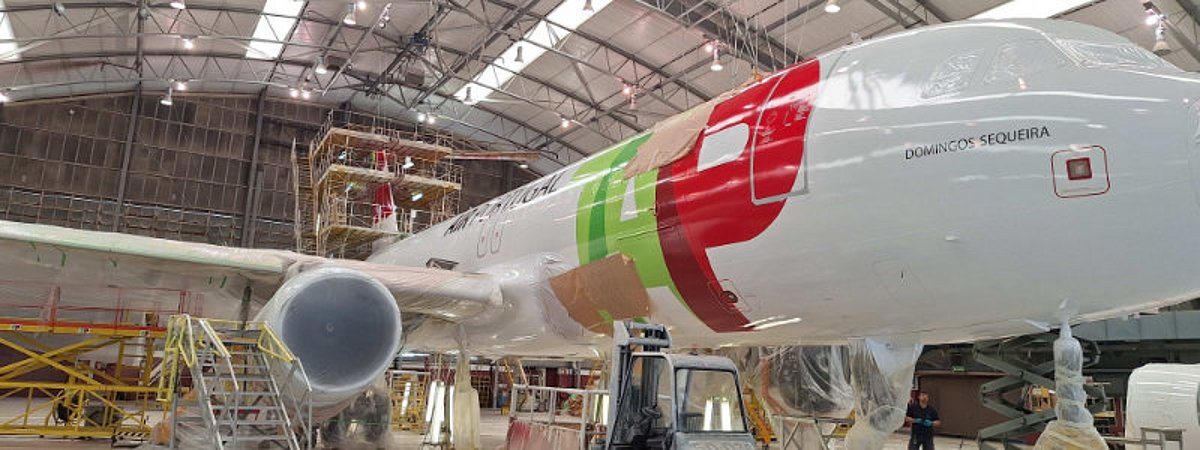
AkzoNobel and TAP Air Portugal have successfully completed field tests of the lighter aircraft coating Aerobase UPD. The aerospace coating can reduce the coating weight by up to 26 kg per aircraft.
AkzoNobel’s Aerospace Coatings business unit and TAP Air Portugal have successfully completed field tests of a lighter basecoat technology. The Aerobase-UPD formulation can reduce coating weight by up to 26 kg per aircraft. If implemented across the entire fleet, annual fuel savings of approximately 428.5 metric tons are expected. This could result in cost savings of more than half a million euros per year and an estimated reduction in CO₂-equivalent emissions of about 1,353 metric tons. The tests also showed that the Aerobase UPD system can reduce the total basecoat thickness by 36 percent compared to the previous two-coat formulation, while durability, appearance, and surface quality meet the requirements of commercial flight operations.
Aerobase UPD Simplifies Aircraft Painting
Aerobase UPD makes it possible to achieve the required opacity and surface quality in a single basecoat application cycle. This eliminates the need for a second full basecoat layer, including the associated flash-off periods. The advanced formulation also offers approximately 40 percent higher sag resistance compared to the conventional two-coat system. “By reducing the total film thickness and simplifying the application process, Aerobase UPD helps operators reduce aircraft weight, increase productivity in the paint shop, and simultaneously meet the high standards for surface quality,” explains Patrick Bourguignon of AkzoNobel. Aerobase UPD is certified to AMS3095 for global MRO use on mixed aircraft fleets and can be integrated into existing painting processes using the advanced Aerobase activator and existing Aerobase hardeners.
Contact details and information on the companies and institutions presented here can be found in our interactive surface technology industry directory.