
Adler receives new plasma system for surface activation for the laboratory
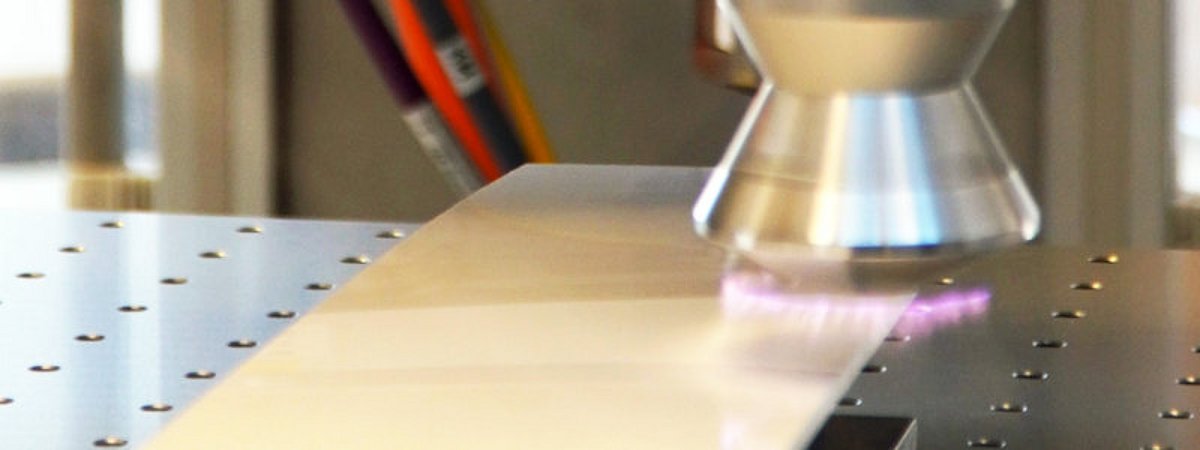
With a modern laboratory system for plasma surface activation, the Austrian paint manufacturer Adler is strengthening its application expertise in the field of plastic, glass and metal coating.
Paint adhesion is one of the biggest challenges when coating plastics, glass and metal. As these materials usually have a low surface tension, they need to be activated before coating - unlike wood - to ensure a strong bond with the paint. While smaller surfaces are usually treated manually - for example by lightly sanding with a solvent-based cleaning product such as Adler Degreaser - many industrial processors rely on plasma activation. In this process, air is activated by means of a high-voltage discharge and converted into an electrically charged plasma gas that is harmless to humans. When this plasma gas hits the surface, it creates a molecular structure to which the paint can "cling", so to speak. The surface is also cleaned in the process.
Plasma system for Adler research department
Such a plasma system has recently been installed in Adler's Research & Development department. This means that all products for the industrial coating of plastics, metals and glass can now be tested under practical conditions. "In recent years, we have developed high-quality coating solutions for plastic windows, decorative films and furniture edges, for example. The new laboratory facility enables us to apply these coatings under the same conditions as our customers and to simulate various system parameters," say Dr. Albert Rössler (Head of R&D) and Dr. Simon Leimgruber (Head of the Industrial Window and Architectural Coatings Development Group), pleased with the addition to the Adler research department's facilities.
Contact details and information on the companies and institutions presented here can be found in our interactive surface technology industry directory.