
AI Project for More Energy-Efficient Industrial Component Cleaning
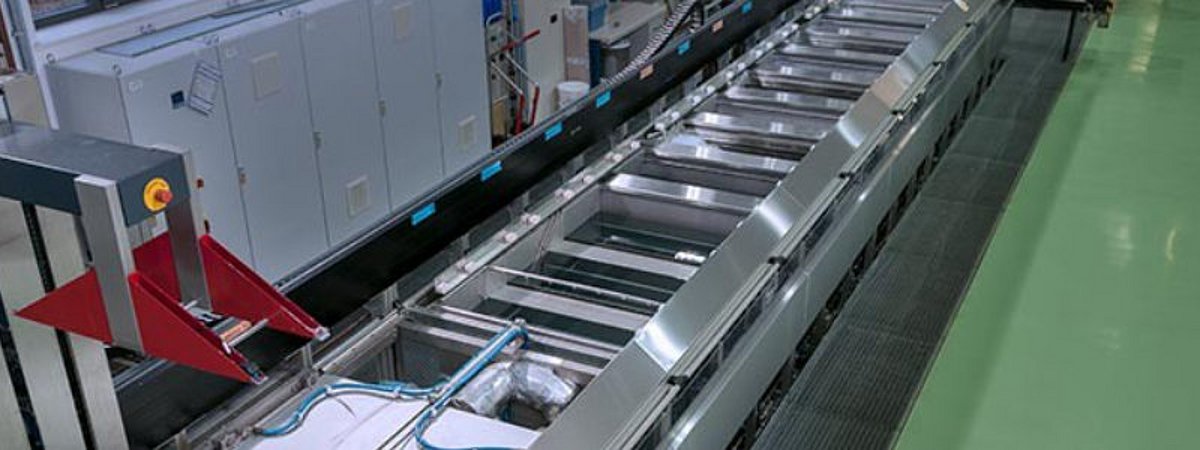
The CleanGreen research project aims to use AI-based methods to reduce energy, water, and chemical consumption in industrial component cleaning and to control cleaning processes according to specific needs.
At the kick-off meeting for the CleanGreen collaborative project in September 2026, partners from industry and research began working together on new approaches to more energy- and resource-efficient industrial component cleaning. The project’s goal is to develop methods that allow the energy, water, and chemical consumption of aqueous cleaning systems to be better tailored to actual cleaning requirements. To date, cleaning processes are often designed to ensure that components with varying degrees of contamination reliably achieve the required level of cleanliness. However, information about the actual state of contamination on the components and the condition of the cleaning baths is often lacking, making it difficult to tailor the process to specific needs. CleanGreen therefore aims to link information from system control, bath monitoring, and production planning with newly developed optical measurement methods. An industrial cleaning system at the Fraunhofer Institute for Thin Film and Surface Technology IST serves as the research platform; this system is being gradually expanded to include additional measurement and sensor technology.
AI Optimizes Industrial Component Cleaning
In order to qualitatively and quantitatively detect organic contaminants on component surfaces in particular, an automated fluorescence measurement system using an F-scanner is to be developed and integrated with the expertise of the Fraunhofer Institute for Physical Measurement Techniques IPM. The data will be used both to assess the degree of contamination prior to cleaning and to evaluate the success of the cleaning process, and will be incorporated, along with other process and sensor data, into AI-supported evaluation methods. The goal is to better understand the relationships between component condition, the cleaning process, and the cleaning result, and to derive recommendations for needs-based process control. In the long term, the aim is to establish the prerequisites for automated control that can eventually be integrated into existing systems. The information obtained could also be used for subsequent manufacturing steps such as painting, electroplating, coating, bonding, or soldering processes.
Contact details and information on the companies and institutions presented here can be found in our interactive surface technology industry directory.