
Bte: Optical Coatings for Sensor and Measurement Technology
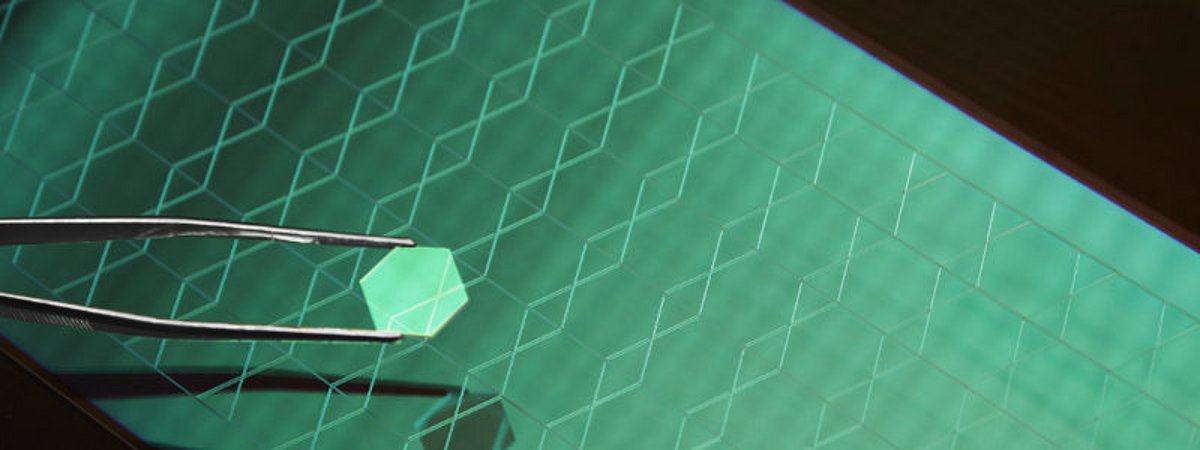
Optical filters, anti-reflective coatings, and highly reflective mirrors enhance the performance of modern sensor and image processing systems. Bte Bedampfungstechnik showcased coating solutions for numerous industrial applications at the Vision 2026 trade show.
At Vision 2026 in Stuttgart, Bte Bedampfungstechnik GmbH presented optical coating solutions for modern sensor, machine vision, and measurement technology applications. The focus was on optical filters, anti-reflective components, and highly reflective mirrors that enhance the accuracy, reliability, and efficiency of optical systems. Applications range from the food and packaging industries to logistics and industrial image processing, as well as recycling and sorting facilities. Optical filters separate relevant light signals from stray light, while anti-reflective cover plates reduce reflections while simultaneously enabling high light transmission. Highly reflective mirrors, in turn, are used for precise light guidance in complex sensor geometries. To produce these coatings, Bte uses various PVD thin-film technologies such as Ion-Assisted Deposition (IAD), Advanced Plasma Source (APS), and magnetron sputtering. This allows oxide and metallic coating systems to be tailored to different optical requirements.
Optical Filters for Machine Vision and Hyperspectral Sensing
In packaging and material handling logistics, for example, bandpass filters improve the reliability of camera systems and laser scanners. They allow defined wavelengths to pass through while blocking interfering ambient radiation, enabling more precise detection of barcodes, Data Matrix codes, labels, and markings. For hyperspectral and multispectral camera systems, Bte showcased so-called “daylight blockers,” which filter out visible ambient light and selectively allow specific wavelengths—such as those in the IR, NIR, or SWIR ranges—to pass through. Another key focus was on solar simulation filters for testing and measurement technology. These filters replicate the natural spectrum of sunlight and are used, among other things, to test photovoltaic modules. Special front-surface and cold-light mirrors enable uniform illumination of larger areas while reducing heat input. In addition to photovoltaics, such systems are also suitable for testing vehicle components, paints, textiles, and other products under simulated sunlight.
Contact details and information on the companies and institutions presented here can be found in our interactive surface technology industry directory.